FREEDOM
is the absence of someone else deciding who you are allowed to be
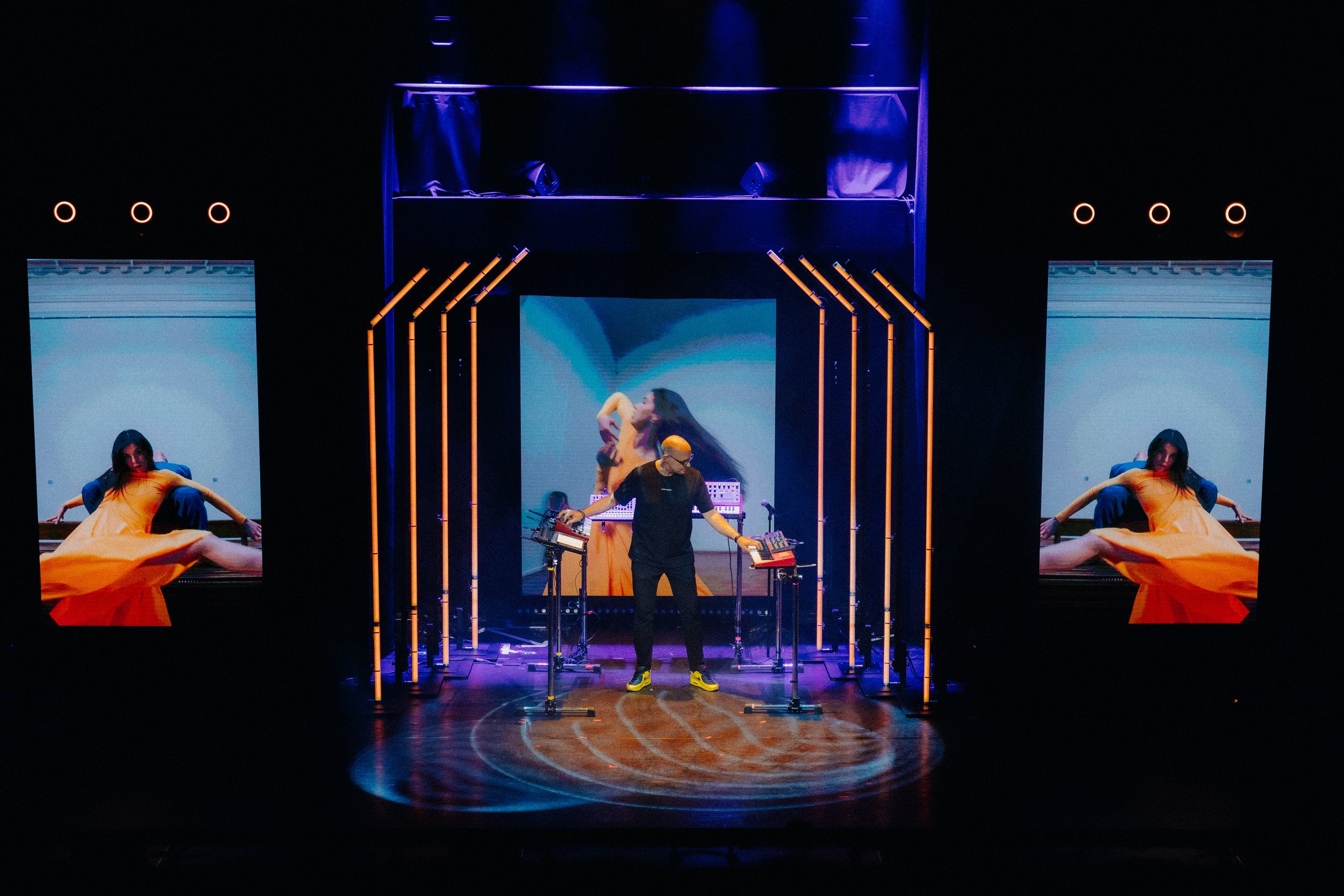
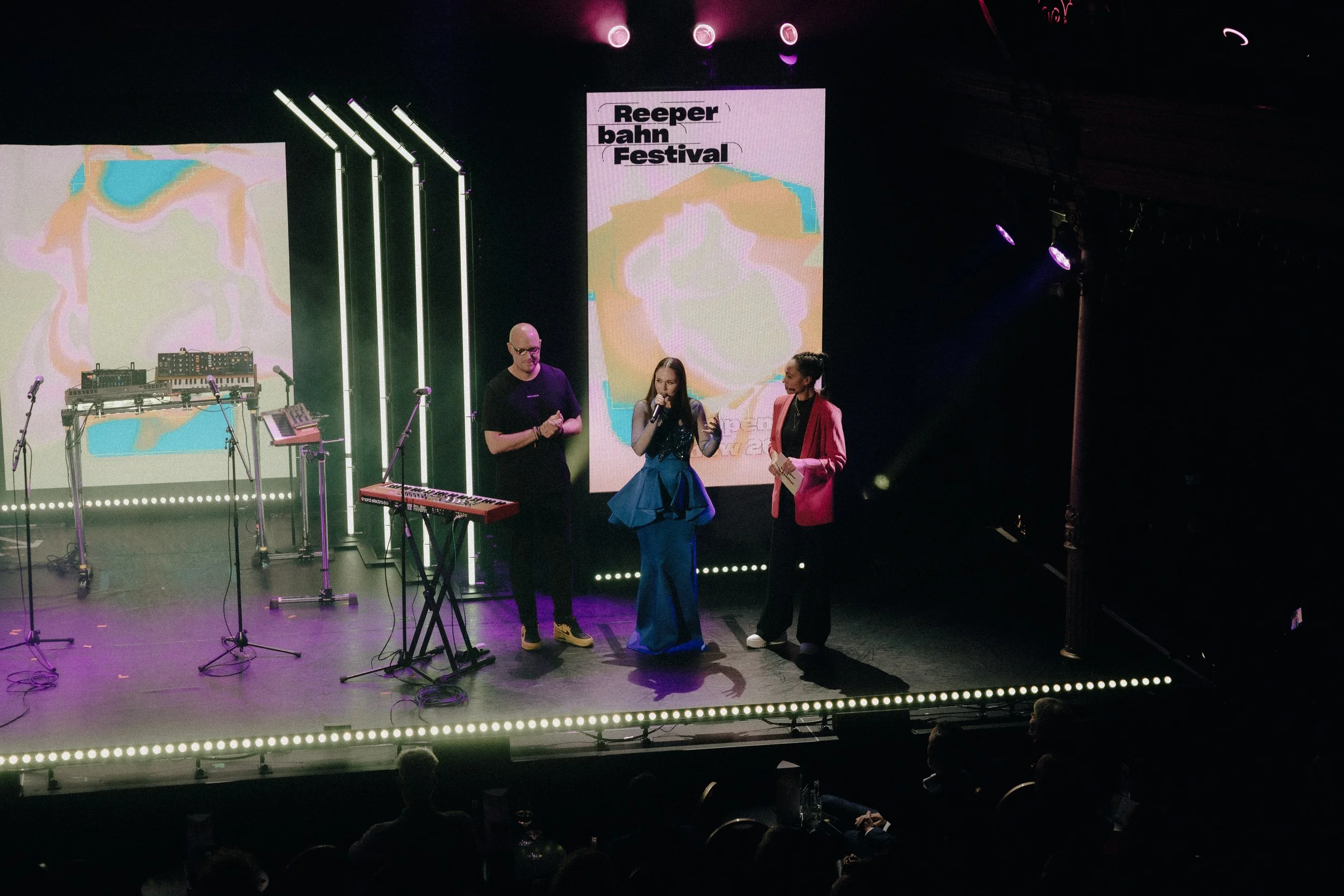
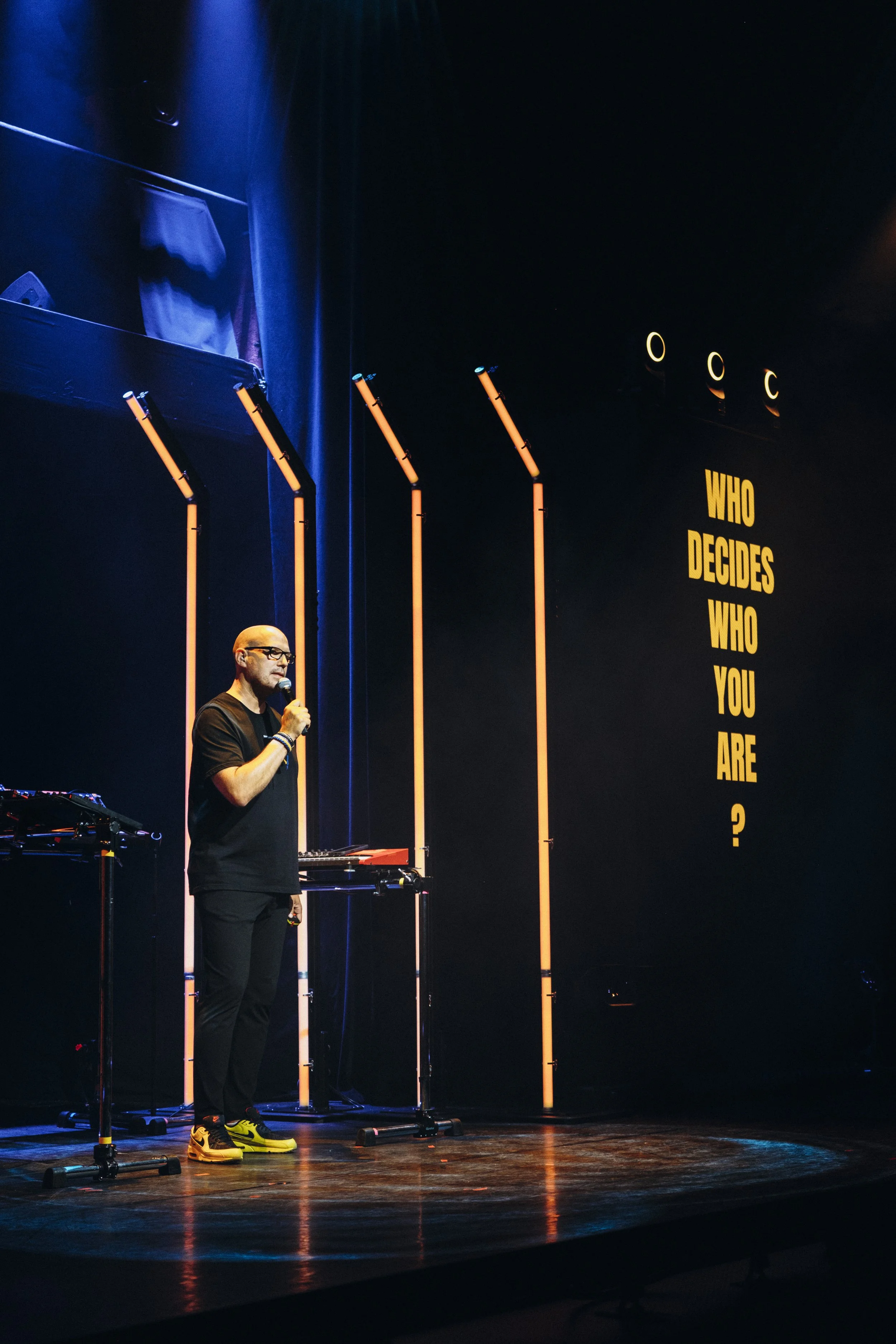
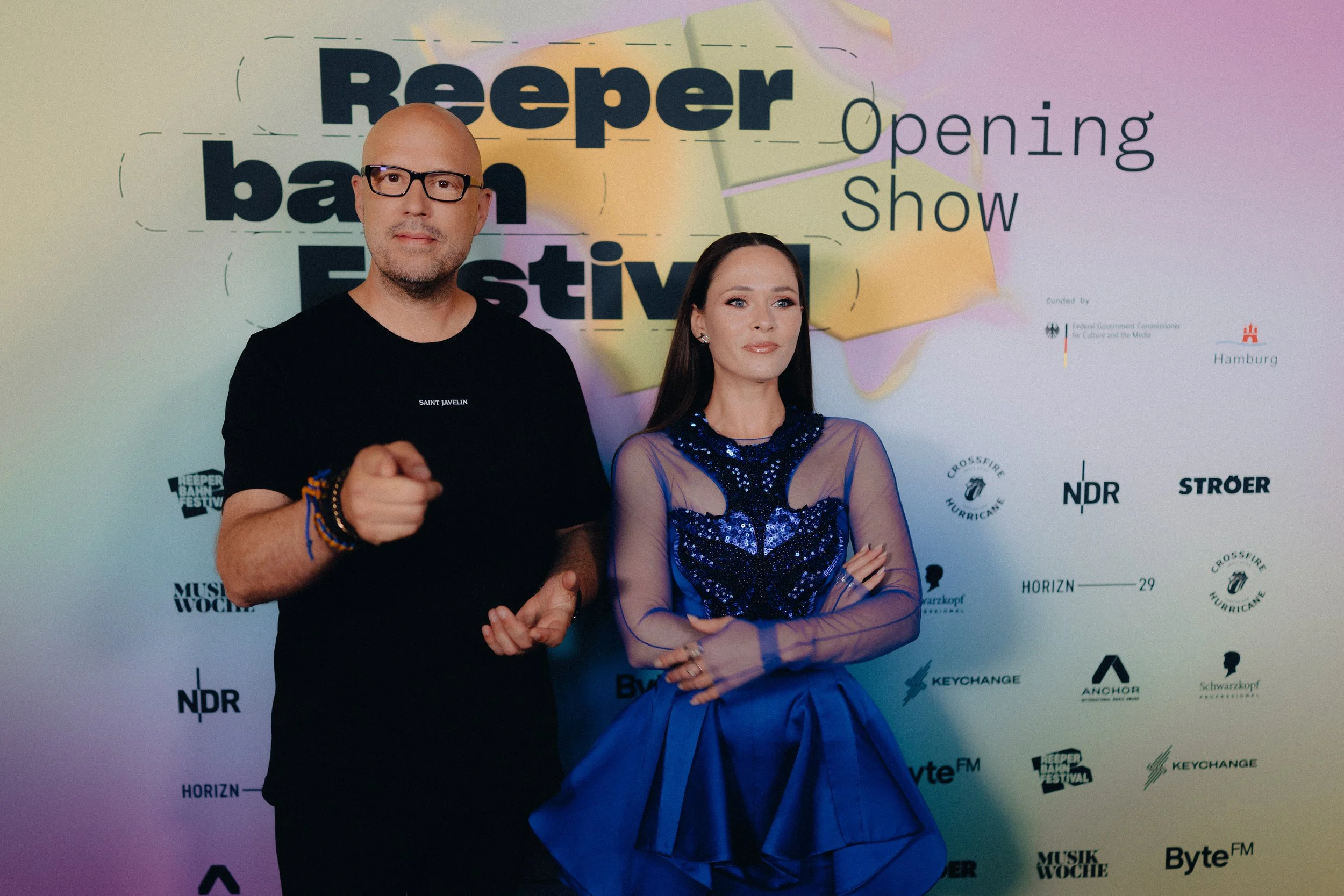
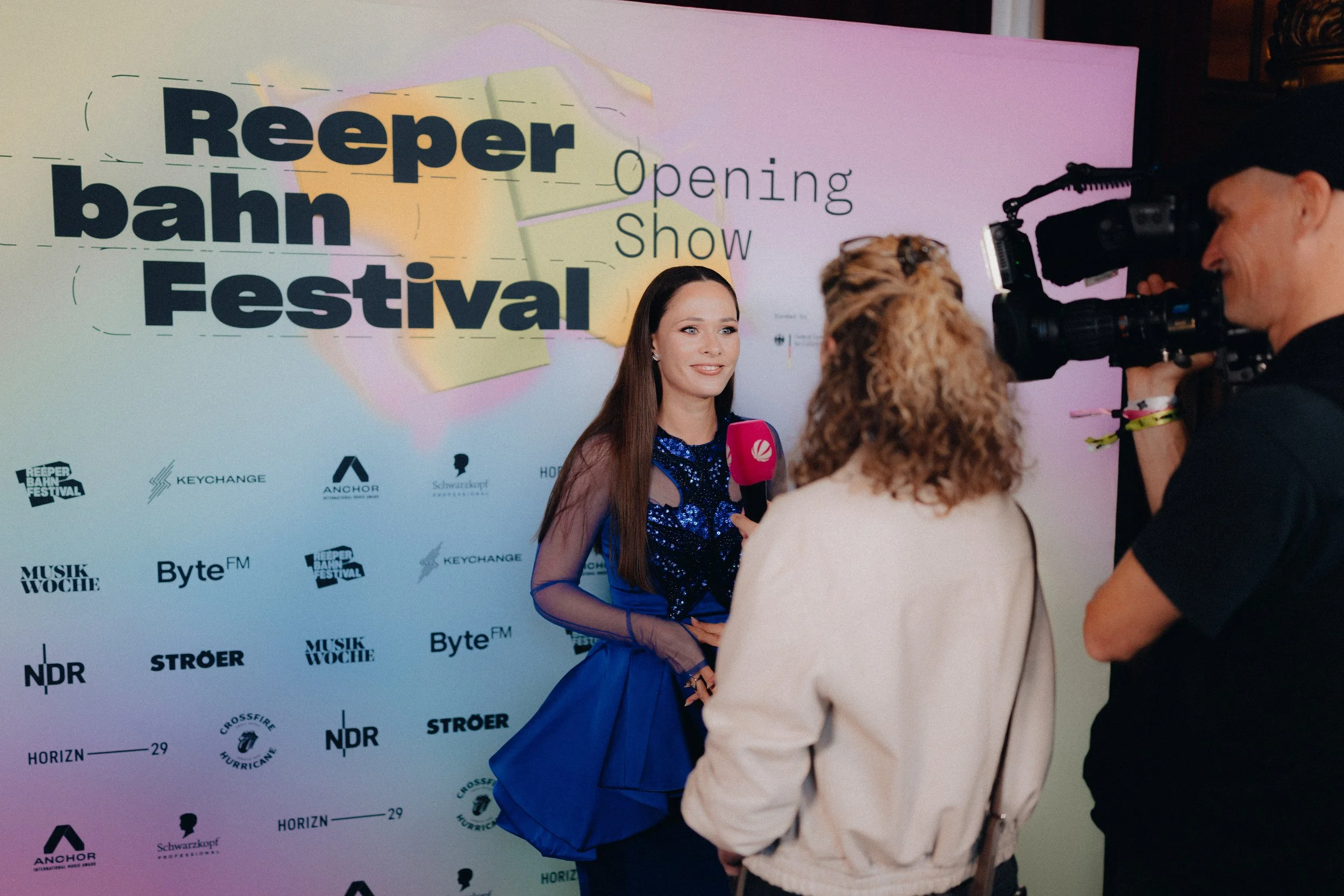
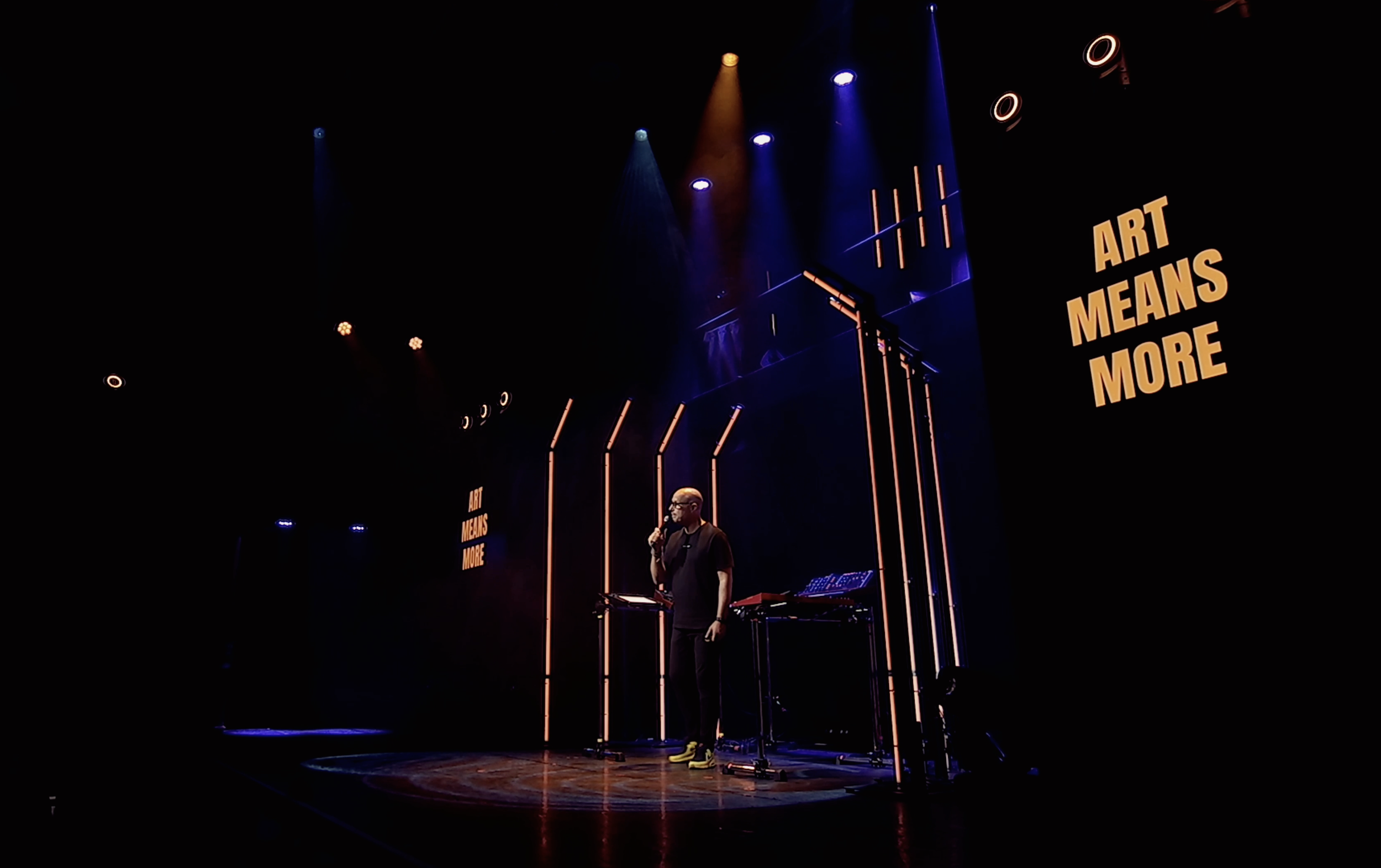
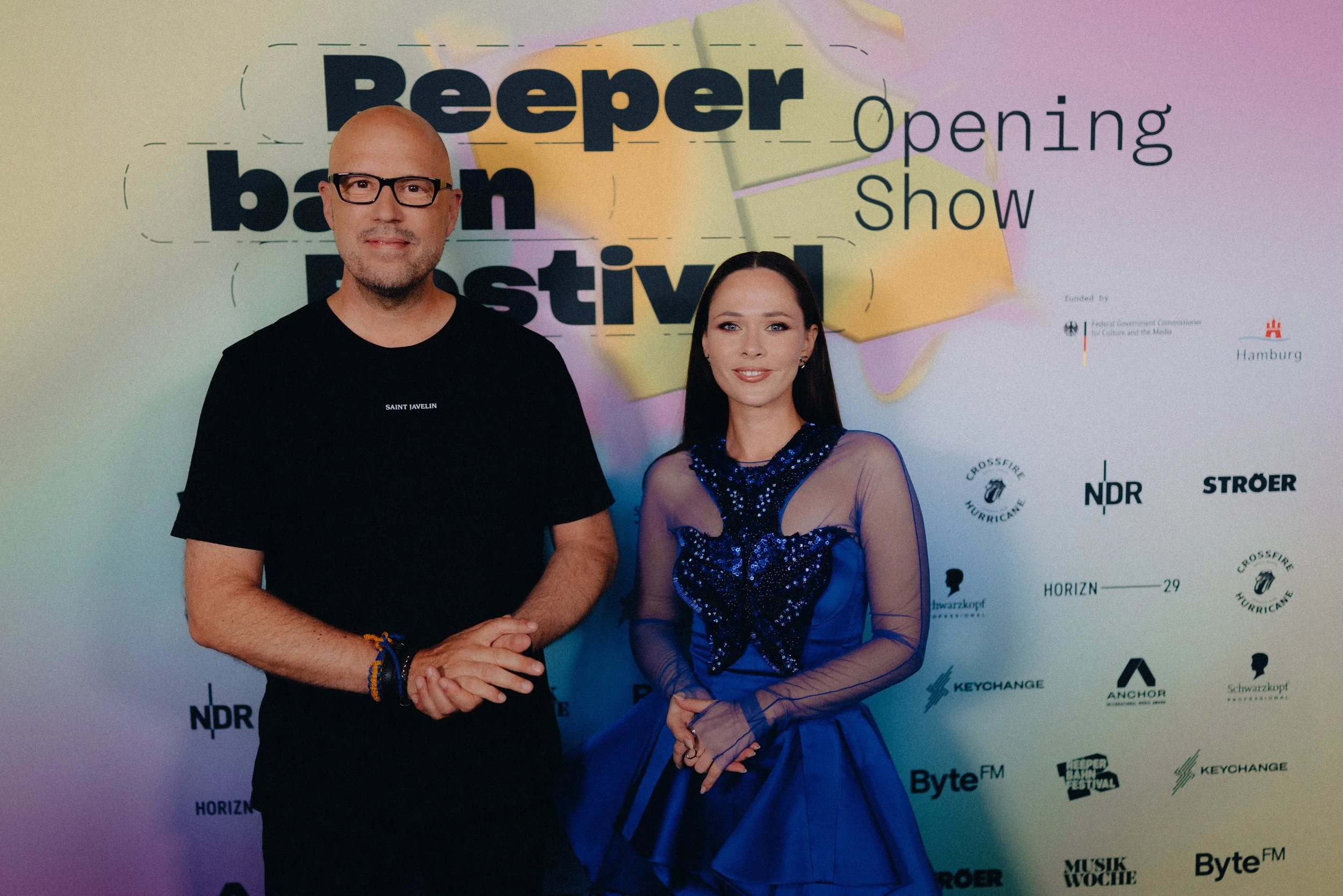
SCHILLER opened the 21st Reeperbahn Festival in Hamburg with a keynote. On stage at Schmidts Tivoli, Christopher von Deylen introduced Ukraine, this year's Guest Country of Honour.
He speaks about concert tours and encounters in wartime, about people who keep making music despite danger and uncertainty, and about what culture means to a country living in a state of emergency.
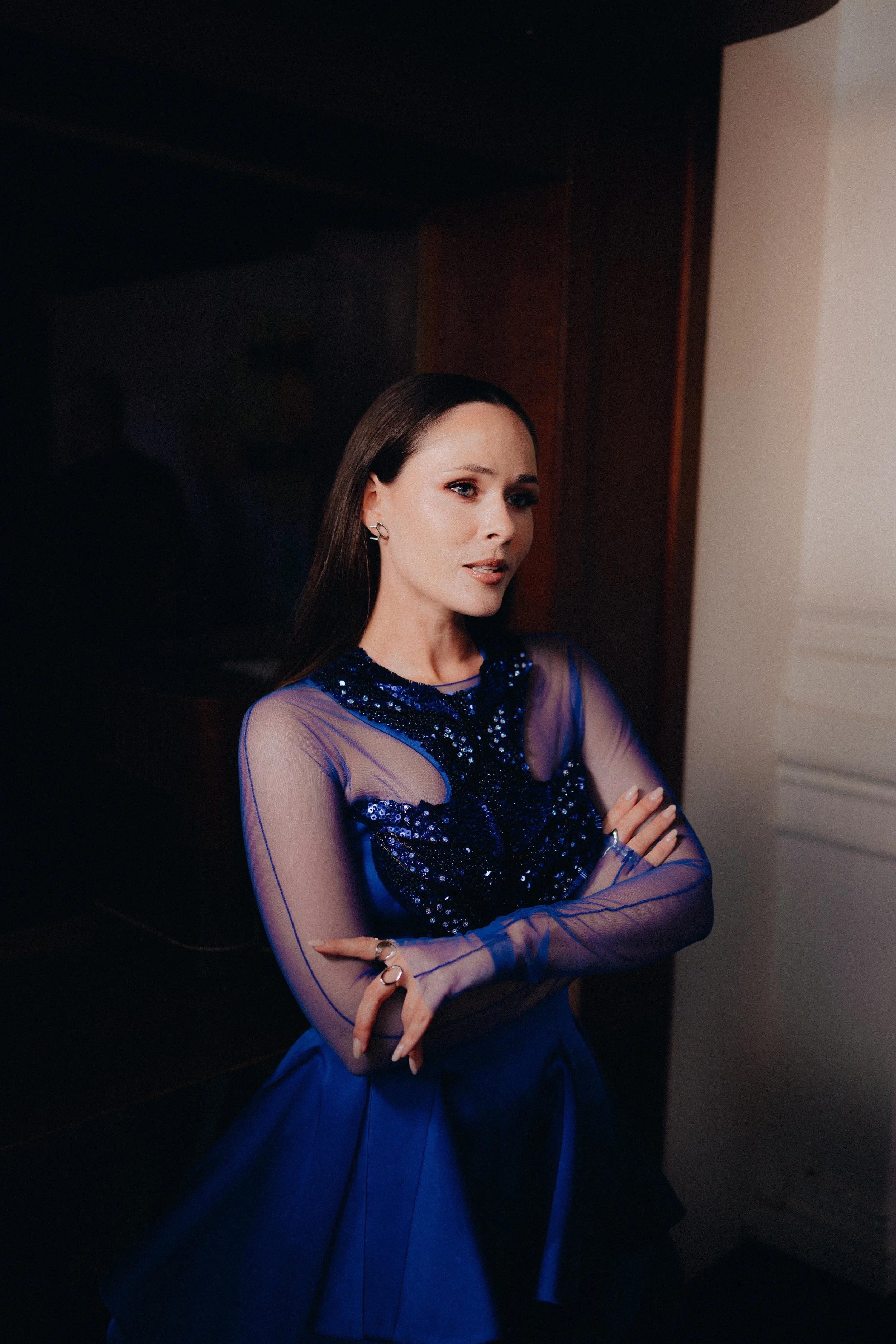
Afterwards, SCHILLER and Julia Sanina, frontwoman of the Ukrainian band The Hardkiss, performed together “My Silence”.
THE KEYNOTE
Conceived by SCHILLER
Food for thought by Severin Tatarczyk // Learn More
Who Decides Who You Are?
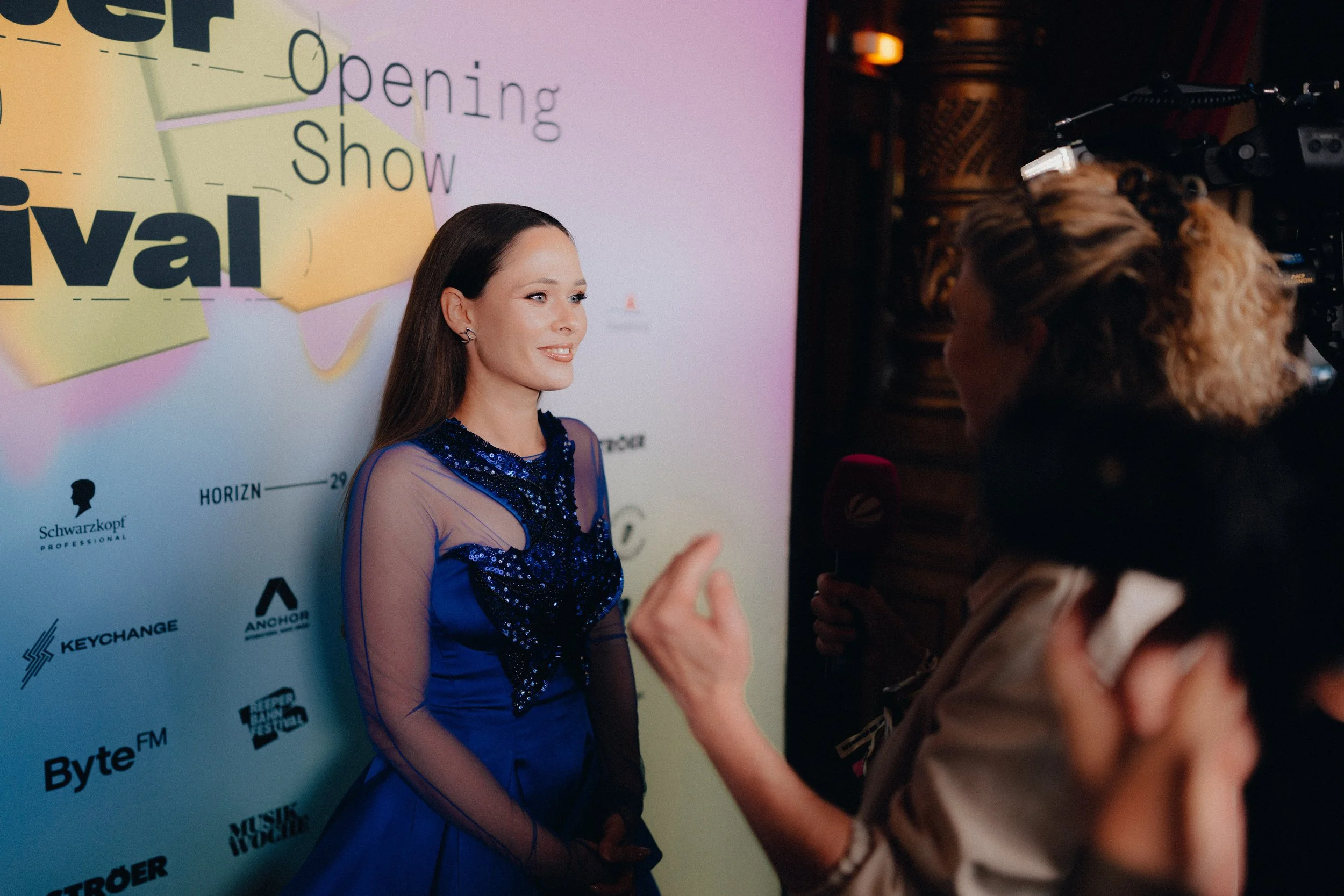
Keynote, Opening Show · Reeperbahn Festival
Created by SCHILLER
Food for thought by Severin Tatarczyk | @stagerbn
THE ALARM
This was only a sound.
We knew nothing would happen.
We knew we were safe.
And we knew this show would go on.
In Ukraine, people do not know that.
A day begins.
A concert begins.
And then this sound stops everything.
It does not ask whether the moment is convenient.
It does not care whether you are working, sleeping, or sitting at a table with your family.
It tells you that ordinary life can end at any moment.
VICTIMHOOD
I have travelled to Ukraine several times during this war.
I have met artists who keep creating, keep performing, keep planning their future.
Under conditions we can barely imagine.
I saw fear.
I saw exhaustion.
And loss.
But that is not what stayed with me.
What struck me was how the people around me handled it.
Not carelessly.
Not without fear.
But without letting that fear decide how they live.
What stayed with me was how determined they were to keep their identity.
Not only to survive.
But to keep defining who they are.
What language they speak.
What music they make.
What stories they tell.
What kind of country they want to live in.
IDENTITY AND FREEDOM
Before the full-scale invasion, Ukrainian music was still tied to the Russian market.
Russian artists everywhere.
Russian-language songs everywhere.
Then, almost overnight, that music disappeared.
And something remarkable happened.
Ukraine did not fill the empty space with something from somewhere else.
It filled it with itself.
Ukrainian artists.
Ukrainian language.
Ukrainian sounds.
Among younger artists especially, there is this enormous curiosity about their own past.
Old songs.
Old singing techniques.
Old instruments.
Not as folklore.
They take those sounds into electronic music.
Into pop.
Into hip-hop.
They don’t preserve tradition by freezing it.
They preserve it by changing it.
Because in the middle of a war about Ukraine’s future, a new generation is asking a very old question about its past.
Who are we?
You would think that in a country at war, culture becomes smaller.
More practical.
More careful.
The opposite is true.
They rehearse for weeks.
They build ambitious, complicated shows.
Knowing that one missile can destroy everything.
In Kyiv, I spent the hours between soundcheck and showtime in a bunker.
Not knowing whether the show we had prepared for months would happen at all.
From the outside, that might look absurd.
But maybe that is exactly the point.
Because art means more.
Art means more when the question of who you are is no longer a theory.
Music is no longer just music.
Language is no longer just language.
An old instrument is no longer just an interesting sound.
All of it becomes part of an answer.
You can feel that at a concert.
Thousands of people in one room, singing in their own language that has belonged to them for generations.
When somebody tells you that your language doesn’t matter.
That your culture is really just a version of somebody else’s.
Then speaking that language alone becomes an act of resistance.
Ukrainians are not debating identity.
They are making it, as they go.
Ukraine reminded me that freedom is not a set of pre-approved values.
Freedom is the absence of someone else deciding who you are allowed to be.
As an artist.
As a culture.
And as a society.
UPDATE
But before I continue, I need to add a real-time update.
Over the past weeks, Russia has changed its tactics.
It intensified its attacks with jet-powered drones and missiles.
Almost every hour.
Concerts are being cancelled.
In Kyiv, mass events can only take place in venues with bomb shelters.
Which means that most concert venues can no longer operate.
However, the will to create is unbroken.
Willenskraft.
But the space to create, perform and be heard is shrinking.
This does not change what I have said.
It changes the urgency of what comes next.
BOOKINGS AND AUDIENCE
Or to show empathy for the length of one evening.
Give these artists stages.
Bookings.
Fees.
Slots that are not the pity slot at four in the afternoon.
Work with them as colleagues, not as a cause.
Put them on the poster, not in the press release.
Not because Ukrainians are victims.
Not because it looks good in a mission statement.
The war is why you might hear about them.
It should not be why you book them.
The people I met in Ukraine were not asking permission to have an identity.
They were living it.
They do not need our pity.
They need what every artist needs.
An audience.
JULIA SANINA
If you want to understand what that looks like in an artist, you don’t have to take my word for it. Simply listen to the music.
Julia Sanina is the voice of The Hardkiss, and one of the most defining artists of modern Ukrainian rock music.
What matters tonight is not her résumé.
Long before this war, Julia had her own sound, her own look, her own voice. She is performing in Ukrainian and English. This year The Hardkiss played the main stage of the Wacken Open Air festival and that is actually where I met her 14 months ago. Since then we went on quite a journey.
So instead of talking any longer about freedom, identity, and the power of music — I would rather you heard it.
This is “My Silence”.
© Christopher von Deylen/Severin Tatarczyk